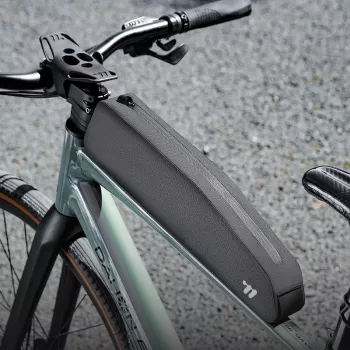
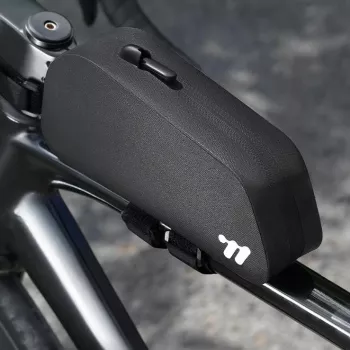
A top tube bag is the kind of add-on that quietly changes how a ride feels: snacks stay accessible, your phone and tools stop rattling in pockets, and quick stops become quicker. Our Waterproof Extended Top Tube Bike Bag 1.9L is built for riders who want more usable space than a compact pouch—without turning the cockpit into clutter. For more guidance, see Comparison of Bikepacking Bags.
Why an extended top tube bag makes rides smoother
When storage sits centered on the frame, you feel the difference immediately—especially on longer rides where pockets get overworked. For further reading, see Excellent Adventure 3.0 – Beta 1 – Team Pline.
- Keeps essentials centered and stable on the frame so weight feels balanced on climbs and corners.
- Reduces jersey and jacket pocket overload—especially on longer rides where food and layers add up.
- Speeds up “micro-moments” on the road: grabbing a gel, checking a route, pulling out a mini-tool, or stashing a receipt without stopping to dig through a backpack.
- Makes everyday cycling simpler: keys, card, and phone stay in one dedicated, easy-to-remember spot.
What 1.9L is actually good for
1.9L hits a practical middle ground: large enough for real ride essentials, small enough to stay out of the way. Here are a few loadouts that make sense without turning the bag into a catch-all.
- Snack-ready storage: gels, bars, trail mix, electrolyte tabs, and a compact food wrapper stash.
- Ride essentials: mini tool, tire levers, CO₂ inflator or small pump head, patch kit, spare valve cores, and a small tube of sealant or a plug kit (depending on your setup).
- Navigation and on-the-go items: phone, compact power bank, charging cable, route cue card, and sunglasses case (size-dependent).
- Weather helpers: thin packable gloves, arm warmers, or a light shell if it compresses small—keeping bulk out of pockets.
- Best practice: keep the heaviest items (multi-tool, CO₂) closest to the frame and low in the bag so steering stays tidy.
Fit check: making sure it plays nicely with your bike
Extended top tube bags are all about “right-sized” fit. A few quick checks before you mount it helps you avoid knee rub, cable pressure, and awkward bottle access.
- Measure the usable top-tube space: confirm there’s room between the stem area and any frame features (like bolts, a top-tube junction, or a small frame triangle).
- Confirm clearance for knees and out-of-saddle movement: an extended bag should sit along the top tube without rubbing thighs during hard efforts.
- Watch the cockpit area: ensure the front of the bag won’t interfere with your handlebar rotation, head tube, or cable housing.
- Strap placement matters: choose mounting points that avoid pinching brake/shift lines and keep tension even so the bag doesn’t sway.
- Bottle access check: if the bike uses a frame-mounted bottle on the seat tube, confirm the bag length doesn’t force awkward bottle removal angles.
Waterproofing in real riding conditions
A waterproof top tube bag is made for the kind of weather that turns “quick rides” into gritty ones: road spray, sudden showers, and drizzle that soaks lesser storage fast. For general bag selection and placement ideas, REI’s guide to bikepacking bags is a solid reference: REI Co-op Expert Advice: Bikepacking Bags—How to Choose.
- Pack smart for wet rides: put electronics in a small zip pouch or sleeve for double security, then keep quick-grab snacks outside that pouch.
- After-rain routine: open the bag at home and let it air-dry fully so moisture doesn’t linger around tools and cables.
- Mud and grit care: wipe down the exterior and check mounting contact points so grit doesn’t rub the frame finish over time.
- Zippers and closures work best when clean: a quick rinse and dry keeps them moving smoothly across seasons.
If you want a reliable baseline for cleaning without overdoing it, Park Tool’s cleaning basics are worth bookmarking: Park Tool: Bicycle Cleaning Basics.
Set-up tips that keep the bag stable and quiet
A top tube bag should feel like part of the frame—not something that sways, rattles, or slowly creeps sideways. Our team recommends this quick setup sequence for a quieter ride feel.
Quick specs and shopping checklist
At-a-glance details
| Detail |
What to expect |
| Product |
Waterproof Extended Top Tube Bike Bag 1.9L |
| Capacity |
1.9L |
| Placement |
Top tube (extended length style) |
| Use cases |
Commuting, road rides, endurance days, bikepacking add-on storage |
| Best for carrying |
Snacks, phone, compact tools, small spares |
| Care |
Wipe clean, air-dry after wet rides, keep closures free of grit |
More from our shop
FAQ
Will an extended top tube bag fit a small frame?
It can, but measuring usable top-tube length is key—focus on the space behind the stem and any bolt-on features. Prioritize knee and thigh clearance when you’re out of the saddle, and make sure the front of the bag doesn’t crowd cables or the stem area.
Is a waterproof top tube bag enough for a phone in heavy rain?
It’s designed for wet conditions like road spray and downpours, but we recommend adding a simple inner sleeve or zip pouch for electronics. After the ride, open the bag and let it fully air-dry so moisture doesn’t linger.
How do you stop a top tube bag from swaying or rubbing the frame?
Use even strap tension and route straps so they don’t push against brake or shift housing. Adding a small strip of protective film at contact points helps prevent scuffing, and keeping heavier items low and centered reduces sway.
Recommended for you








Leave a comment