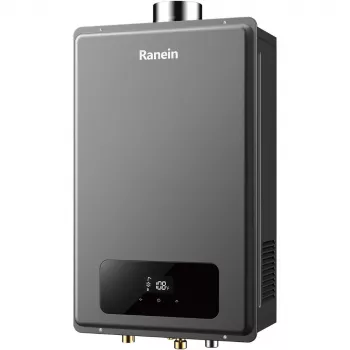
A propane gas tankless water heater is built for one simple job: deliver hot water on demand without storing a full tank. It’s a practical upgrade for homes and spaces that want steady performance, efficient fuel use, and hot water availability that fits real routines—showers, laundry, dishes, and back-to-back use—without waiting for a tank to recover. For more guidance, see Choosing Propane to Heat Groundwater.
When you’re trying to keep mornings moving (or keep guests comfortable on the weekend), tankless propane water heating can match how you actually use hot water. Instead of reheating a big tank all day, the unit fires when a faucet or appliance calls for hot water. For further reading, see Save Money with an Energy-Efficient Water Heater.
| Feature | Tank-Style Water Heater | Propane Tankless Water Heater |
|---|---|---|
| Hot water delivery | Limited by stored volume; recovery time matters | On-demand; limited by flow rate and temperature rise |
| Footprint | Larger tank footprint | More compact wall/utility placement (varies by model) |
| Energy use pattern | Keeps water hot even when idle | Fires when hot water is requested |
| Best fit | Predictable, moderate hot water demand | Homes needing steady availability and space savings |
| Maintenance focus | Tank flushing/anode considerations | Scale control and venting/combustion checks |
Getting the “right” experience with tankless is mostly about planning for your peak demand and your installation realities. Our team recommends walking through these checkpoints before you commit.
If you want a deeper overview of tankless concepts and efficiency considerations, the U.S. Department of Energy has a helpful primer here: Tankless or Demand-Type Water Heaters.
A propane tankless water heater is a combustion appliance, so the install is not a “swap it and go” project in most homes. Correct venting, safe gas connections, and code-compliant clearances are what keep performance consistent and operation safe.
For code context around fuel gas systems and venting, you can reference the NFPA’s overview of the National Fuel Gas Code (NFPA 54): NFPA 54 information.
Tankless units are dependable when they’re kept clean internally and allowed to breathe properly (combustion air in, exhaust out). A few habits go a long way toward avoiding nuisance shutdowns and preserving steady temperature control.
If efficiency ratings are part of your decision, ENERGY STAR’s water heater resource can help you compare categories and terminology: ENERGY STAR — Water Heaters.
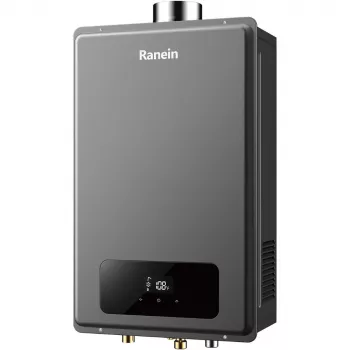
If you’re ready to move to on-demand hot water with propane, our team’s featured option is the Propane Gas Tankless Water Heater. It’s a focused solution for households that want dependable availability and a cleaner utility footprint than a bulky tank.
It can, as long as the unit’s flow capacity can handle the combined shower flow at your needed temperature rise. Your incoming water temperature and the showerheads’ flow rates are the two biggest factors that determine whether you’ll get comfortable hot water at both showers simultaneously.
Many models do, because ignition, control boards, and safety systems typically require power. If hot water during outages is important for you, plan for how the unit will be powered when the grid is down.
A practical range is about once a year in many homes, with more frequent descaling in hard-water areas or heavy-use households. Following the manufacturer’s maintenance guidance helps maintain stable temperatures, good flow, and efficient operation.








Leave a comment