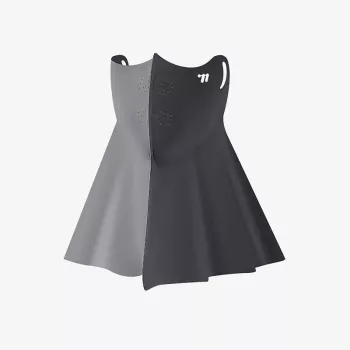
Sun, wind, dust, bugs, and road grit can turn a good day outdoors into a distracting one. Our unisex UPF50+ ice silk face scarf is a lightweight, breathable layer designed to keep coverage comfortable while you ride, hike, or fish—without feeling bulky or stuffy. It’s an easy add-on for everyday outings, travel days, and long sessions under open skies. For more guidance, see Electrospun nanofiber-based respiratory face masks—a review.
When you’re moving in open air, conditions can shift fast—sun intensity climbs, wind picks up, a trail turns dusty, or a descent gets chilly. This face scarf is built to be a simple, adjustable barrier you can use in seconds. For further reading, see Sun protective clothing – Arizona Cancer Center.
Ice silk-style fabric is commonly chosen for its cool-touch feel and smooth finish against skin. In practice, that means the scarf can sit comfortably at your neck or over your cheeks without feeling like a heavy wrap.
If you like gear that earns its place by being “there when you need it,” this is the kind of piece you’ll end up carrying more often than you expect.
One of the best parts of a face scarf is how many roles it can cover across one day. You can start with it loose at the neck, pull it up when exposure spikes, and drop it again when you’re shaded or working harder.
| Activity | How to wear it | Why it’s useful |
|---|---|---|
| Cycling | High over cheeks/nose on descents; low at the neck on climbs | Reduces wind bite and road dust while keeping coverage adjustable |
| Hiking | Neck gaiter most of the time; pull up on exposed or dusty segments | Helps with sun and trail grit without committing to a heavier layer |
| Fishing | Up over face + wide-brim hat; keep neck covered | Adds UV coverage during long, reflective-water exposure |
| Travel/commute | Loose neck wrap; pull up in crowded or windy areas | Compact, quick barrier when conditions change |
UPF is a fabric rating that indicates how much UV radiation is blocked; UPF50+ is widely treated as high protection in sun-protective clothing. For practical use, two things matter most: how much skin you cover and how consistently the fabric stays in place where the sun hits.
For additional guidance on sun-protective clothing and overall sun safety, you can reference the Skin Cancer Foundation’s overview of sun protective clothing, Cancer Council Australia’s clothing guidance, and the FDA’s sunscreen basics.
A little routine care keeps performance fabrics feeling good and sitting comfortably against skin.
Find it here: Unisex UPF50+ Ice Silk Face Scarf for Cycling, Hiking & Fishing.
Yes—because it’s designed to be low-bulk, you can wear it as a neck gaiter and pull it up as needed without adding a thick layer under your helmet. Adjust your helmet straps for a secure fit and make sure your breathing and vision remain comfortable.
No—UPF fabric helps protect the skin it covers, but sunscreen is still recommended on any exposed areas. Sun protection works best as a combined approach with coverage, shade, and sunscreen where needed.
It can be, thanks to the lightweight, breathable, cool-touch “ice silk” feel. On hard efforts, wear it lower around your neck to vent heat, then pull it up when wind, dust, or direct sun exposure increases.











Leave a comment